Thinking about listing your Cedar Rapids home but not sure which fixes are worth it? You are not alone. Many Linn County sellers want strong offers and a quick sale, but it is hard to know where to spend time and money. This guide shows you how to prioritize smart updates that fit local buyer expectations, avoid surprises, and keep your timeline on track. Let’s dive in.
What matters in Cedar Rapids
Cedar Rapids buyers look closely at condition, function, and value. Flood history, basement moisture control, and reliable mechanical systems sit high on the list. Older homes are common here, so roof condition, windows, wiring, and plumbing often come up during showings and inspections.
Our Midwest climate brings freeze and thaw cycles. That makes gutters, grading, and exterior maintenance important. Curb appeal, efficient heating, and a basement that feels dry and usable can help your listing stand out. Work with your agent to confirm disclosure requirements and local permit rules so you present your home with confidence.
Start with a condition check
Pre-list inspections to consider
- General home inspection to flag structural, roofing, electrical, plumbing, HVAC, and moisture issues.
- Sewer or septic inspection, especially in older homes or if you know the system is aging.
- Radon testing. Iowa has higher radon potential, and mitigation is often recommended when levels exceed 4.0 pCi/L.
- Mold and moisture assessment if you see staining, smell musty odors, or know of a past water event.
- Energy audit or HVAC service to document efficiency and system health.
- Foundation or structural evaluation if your inspection suggests movement or water intrusion.
How to prioritize fixes
- Safety and major mechanicals first. Electrical hazards, active leaks, or a failing furnace can derail a sale or force deep price cuts.
- Visible deferred maintenance. Missing shingles, peeling paint, broken windows, and rotten trim trigger buyer concerns.
- Moisture and odors. Address basement dampness, past flood damage, and mildew before photos and showings.
- High-visibility cosmetics. Fresh paint, updated lighting, and clean floors help your home show well without heavy costs.
Fix now or credit later
Not every issue requires a full renovation. For large, expensive projects, it may be better to disclose and price accordingly or offer a buyer credit. Match your plan to neighborhood comps and your price point. Entry to mid-market buyers usually want function, clean finishes, and no big surprises. Upper-tier buyers expect updated systems and higher-end finishes.
High-ROI updates in this market
Quick wins that pay off
- Deep clean, declutter, and stage. Professional or virtual staging can reduce days on market and boost perceived value.
- Fresh neutral paint. It modernizes rooms, brightens photos, and helps buyers picture themselves in the home.
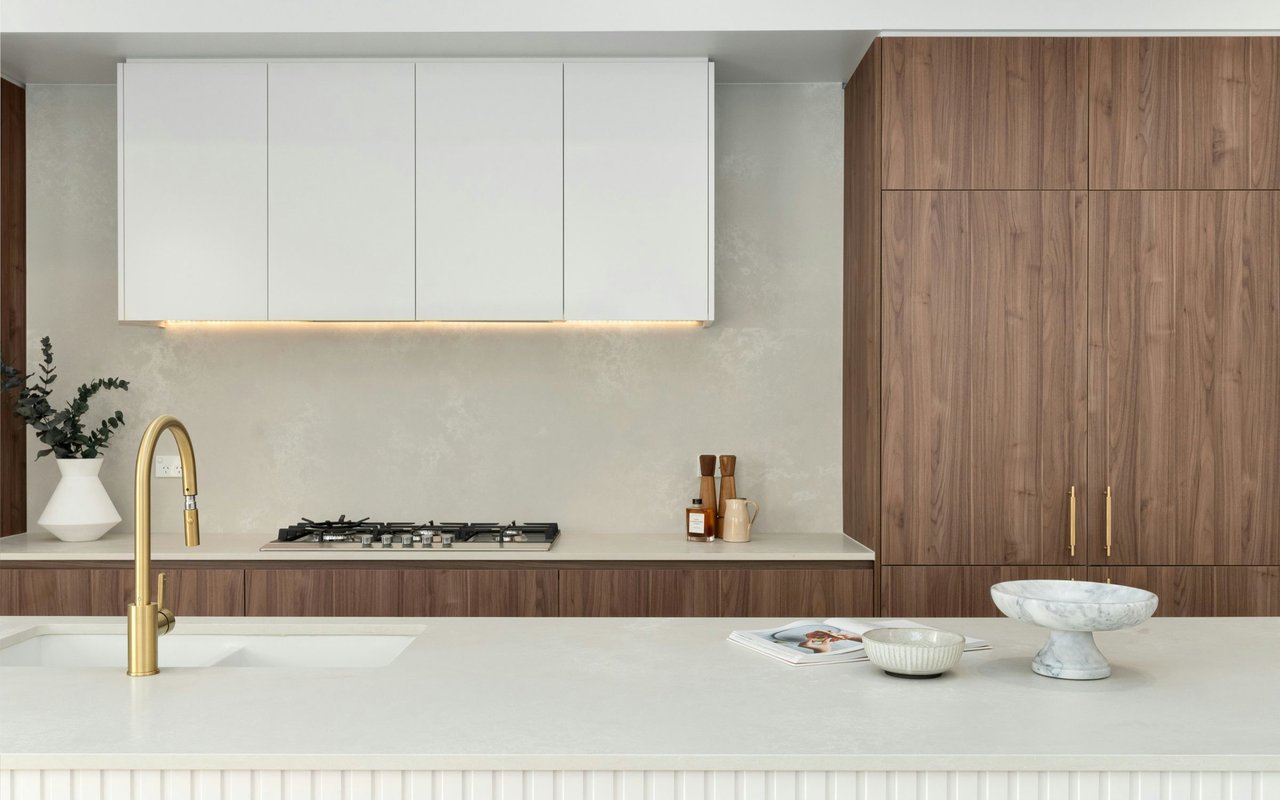
- Small kitchen refresh. Paint or reface cabinets, swap hardware, add a modern faucet, change out dated lights, and consider an affordable countertop upgrade.
- Flooring care. Replace damaged carpet or worn sections in main living areas. Refinish hardwoods where feasible.
- Curb appeal. Tidy landscaping, fresh mulch, a clean walkway, and a painted front door lift first impressions.
- Lighting and fixtures. Brighter bulbs and updated fixtures make spaces feel larger and more current.
Medium-cost projects with solid payback
- Bathroom refresh. Re-grout, re-caulk, replace vanities and lighting, and ensure ventilation works well.
- Garage door replacement or repair. This often ranks high for curb appeal return.
- HVAC showcasing. Service the system and share records. Buyers value proof of care and reliability.
- Basement waterproofing. If you have moisture concerns or a history of water entry, definitive fixes increase buyer confidence.
When to skip big remodels
Full kitchen or bath gut jobs can be costly and may not return dollar for dollar in many segments. Consider major work only if neighborhood comparables demand it for your target price. Structural repairs, roof replacement, or full window replacement make sense when safety, lending, or appraiser concerns would otherwise stall your sale. Otherwise, disclose and price accordingly. Industry reports show that selective updates and curb appeal improvements often outperform extensive remodels on a percentage basis.
Timing and permits in Cedar Rapids
Typical timelines
- Small cosmetic updates: 1 to 3 weeks for paint, flooring touch-ups, declutter, and staging.
- Moderate refreshes: 3 to 8 weeks for kitchen and bath updates, HVAC service, and lighting.
- Major permitted work: Several weeks to months depending on scope and scheduling.
- Seasonal windows: Exterior painting and landscaping move faster in spring through fall.
Permits and approvals
Confirm permit requirements with City of Cedar Rapids Building Services before starting mechanical, electrical, or structural work. If your property is outside city limits in Linn County, check county departments for building and septic rules. If your home sits in or near a regulated floodplain, note that floodplain and stormwater approvals can apply to grading or exterior changes.
Financing your updates
Sellers commonly use home equity or personal lines, contractor financing, or renovation loans. Options like FHA 203(k) or Fannie Mae HomeStyle can support larger projects when the scope and timeline fit your plan. Talk with a lender early to align financing with your listing date.
A prioritized pre-list plan
Use this sequence to move from decision to done.
Immediate: 1 to 2 weeks
- Clean, declutter, depersonalize, and book professional photos or a staging consult.
- Fix safety or major mechanical issues you already know about, such as nonfunctional heat or active leaks.
- Touch up paint in main rooms and neutralize bold colors.
- Improve curb appeal with mowing, trimming, debris removal, and fresh mulch or planters.
- Schedule a basic pre-listing inspection to spot high-impact repairs early.
Short term: 2 to 6 weeks
- Refresh flooring in main living areas or deep-clean carpets and hard surfaces.
- Update the kitchen with new hardware, lighting, a modern faucet, and appliance servicing.
- Refresh bathrooms by re-caulking, re-grouting, and updating mirrors and lights. Verify the vent fan functions.
- Service HVAC and clean ducts or chimney if needed. Keep receipts for buyers.
- Test for radon and plan mitigation if levels exceed 4.0 pCi/L. Early action avoids closing delays.
Mid term: 4 to 12+ weeks
- Replace the roof if condition will deter buyers or cause appraisal issues.
- Complete basement waterproofing or moisture remediation if you have water intrusion history.
- Consider window or insulation upgrades if energy complaints would hurt marketability at your price point.
- Only pursue major kitchen or bath remodels if local comps support a higher price band with those finishes.
Documents and disclosure prep
- Gather service records, permit history, and warranties for roof, HVAC, water heater, and electrical panel.
- Compile receipts and reports for any flood mitigation or prior water events.
- Prepare seller disclosure forms and consider sharing a pre-inspection summary to build trust and streamline negotiations.
Prepare for buyer questions
Buyers will want clear answers. Having documentation ready can speed negotiations and support your price.
- Flood history. Be ready with dates, mitigation work, receipts, and any insurance claim history.
- System ages. Provide installation dates or service records for major systems and the roof.
- Radon status. Share test results and mitigation documentation if installed.
- Permits. Keep copies of permits and final inspections for major work.
- Pricing context. Your agent will show comparable sales and explain how your updates match neighborhood expectations.
Why an integrated team helps
Coordinating updates, scheduling contractors, and prepping disclosures takes time. An integrated real estate and construction team can streamline your path to market:
- Faster decisions and scheduling from one plan and timeline.
- Accurate scope and budgeting that match your neighborhood and price goals.
- A single point of contact for permits, warranties, and any punch-list items after buyer inspections.
- Marketing synergy where updates are chosen to shine in photos, tours, and open houses.
- Turnkey options for busy sellers who want fewer handoffs and predictable deadlines.
If you want a tailored plan for your Cedar Rapids home, plus a single team to coordinate the work and the sale, reach out. Schedule your Free Home Valuation & Consultation with Tara Williams to map your updates, timeline, and go-to-market strategy with confidence.
FAQs
What pre-list updates add the most value in Cedar Rapids?
- Focus on safety and mechanical reliability, moisture control, fresh paint, flooring fixes in main areas, staging, curb appeal, and targeted kitchen and bath refreshes.
Do I need permits for pre-list repairs in Cedar Rapids?
- Many electrical, plumbing, mechanical, and structural projects require permits, so check City of Cedar Rapids rules or Linn County departments before starting work.
Should I test for radon before listing in Iowa?
- Yes, radon testing is smart in Iowa and mitigation is commonly recommended if levels exceed 4.0 pCi/L, which helps avoid delays during buyer inspections.
How should I handle a history of basement water?
- Address moisture issues before listing when possible, document any remediation, and disclose past events along with receipts and mitigation details to build buyer confidence.
How long will pre-list updates take before I can list?
- Small cosmetic updates often take 1 to 3 weeks, moderate refreshes take 3 to 8 weeks, and major permitted work can take several weeks to months depending on scope.
Is staging worth it for Cedar Rapids buyers?
- Yes, staging and quality photos improve first impressions, reduce days on market, and can increase perceived value for a relatively low cost compared to price impact.